Key Points
- DMR splits one 12.5 kHz channel into two time slots, so one repeater carries two conversations at once.
- Your radio must use the repeater’s color code (0 to 15), which does the job a CTCSS tone does on FM.
- On a network you join a talkgroup. On BrandMeister, 91 is worldwide, 3100 is the whole USA and 9990 plays back your own audio.
- Every DMR radio sends an ID number, free from RadioID.net once your license is checked.
- The codeplug holds all your channels. The easy start is to load your local club’s and change the ID and callsign to yours.
How It Works
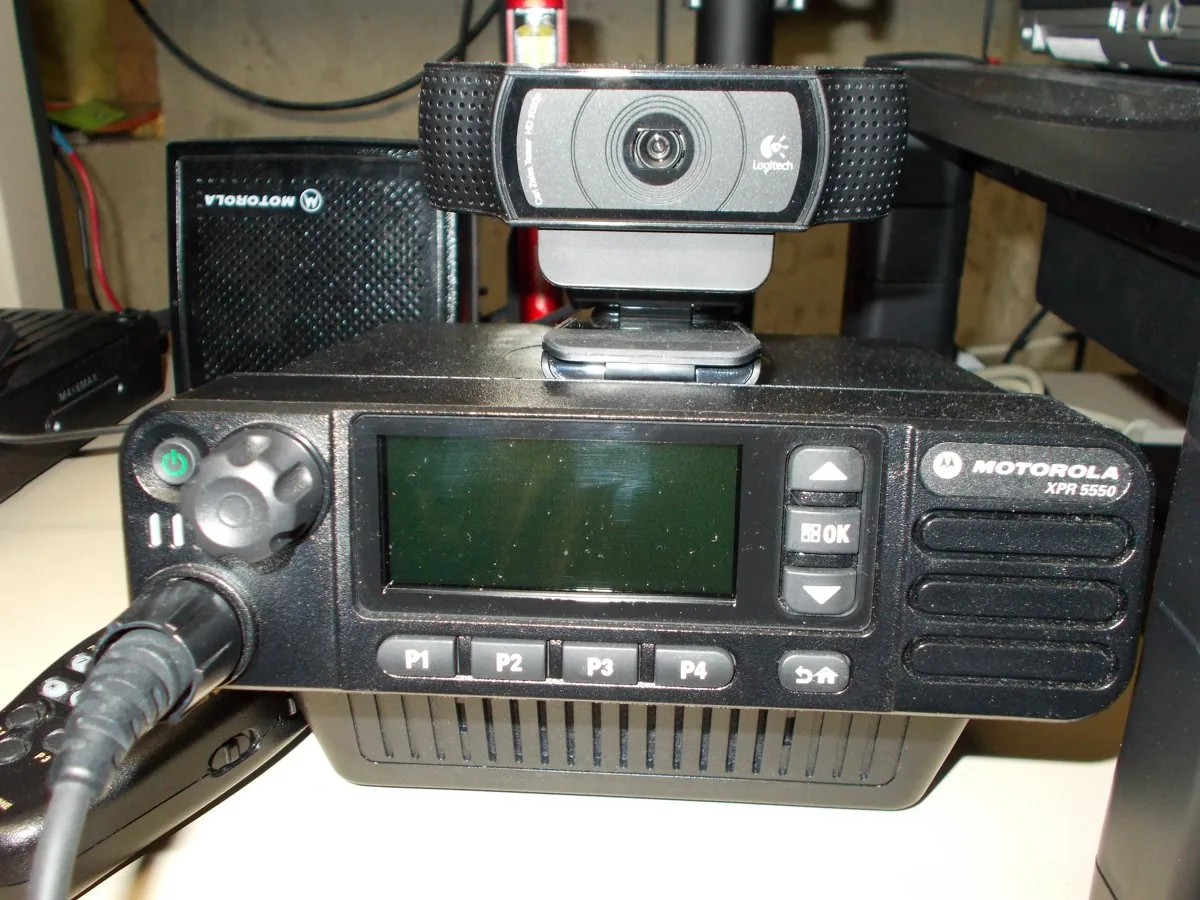
DMR splits one 12.5 kHz channel into two time slots, so one repeater carries two separate conversations at once. Your radio takes turns with the other slot many times a second; you never notice.
Every repeater also has a color code, a number from 0 to 15. Your radio must use the same color code as the repeater, or the repeater ignores you. It does the job a CTCSS tone does on FM.
Talkgroups
On a network, you don’t call a repeater, you join a talkgroup: a named conversation that any linked repeater or hotspot can carry. There are talkgroups for the whole world, for a country, for a state, and for clubs and interests.
A few from BrandMeister, the largest amateur DMR network: 91 is worldwide, 3100 is the whole USA, and 9990 is the Parrot, which plays back what you just said so you can check your audio. Local repeaters often carry a few talkgroups all the time and let you bring in others for a while.
- BrandMeister talkgroup list ↗ — every talkgroup, searchable.
- BrandMeister Last Heard ↗ — see who is talking right now.
Your DMR ID
Every DMR radio sends a number, not a callsign. Hams get that number free from RadioID.net, which checks your license first. You put it in your radio, and networks use it to show your callsign to others. Register once; the same ID works on every network.
- Get a DMR ID at RadioID ↗ — free; have your license handy.
- Look up someone’s DMR ID ↗ — RadioID’s own search.
The Codeplug
A DMR radio is programmed with a codeplug: one file holding every channel, its frequency, color code, time slot and talkgroup, plus your contact list. It’s the hardest part for new users.
The easy way in is to ask your local repeater owner or club for their codeplug and load it, then change the ID and callsign to yours. Most radios are programmed with free software from the maker and a USB cable.
On the Air
Pick the channel and talkgroup, listen for a bit, then key up and say your callsign. Leave a pause between overs: on a network, others are waiting their turn on repeaters all over the world. Say your callsign at least every 10 minutes and when you finish.